
Social Media Advertising Guide for Retailers and Brands
Posted on
Nearly 92 percent of american businesses use social media advertising, yet many struggle to see real results. With constant changes in algorithms and shifting consumer behaviors, building an effective ad campaign feels more challenging than ever. Knowing how to define your goals, select the right platforms, and zero in on your ideal audience can make the difference between wasted dollars and measurable growth. This guide reveals smart steps to help american marketers run campaigns that genuinely deliver.
Table of Contents
- Step 1: Define Campaign Goals And Target Audiences
- Step 2: Select Optimal Platforms And Set Up Ad Accounts
- Step 3: Develop Compelling Creatives And Ad Copy
- Step 4: Launch Campaigns With Precise Audience Targeting
- Step 5: Monitor Performance And Optimize Ad Spend
- Step 6: Evaluate Results And Refine Strategies
Quick Summary
| Essential Insight | Explanation |
|---|---|
| 1. Set Clear Goals | Define specific and measurable objectives to guide your campaign and align them with your overall business strategy. |
| 2. Know Your Audience | Create detailed audience personas that go beyond demographics to include psychographics and behaviors for effective targeting. |
| 3. Select the Right Platforms | Choose social media platforms where your target audience is most active to increase engagement and campaign effectiveness. |
| 4. Create Compelling Content | Develop engaging visuals and concise ad copy that resonate with your audience’s needs and preferences. |
| 5. Monitor and Optimize | Continuously track performance metrics and adjust your strategy to maximize your advertising investment and effectiveness. |
Step 1: Define campaign goals and target audiences
Successful social media advertising starts with crystal clear goals and a deep understanding of who you want to reach. Without these foundational elements, your campaign will feel like throwing darts blindfolded.
Begin by setting specific, measurable objectives that align with your broader business strategy. Are you looking to increase brand awareness? Drive website traffic? Generate leads? Boost sales? Each goal requires a different approach. Sprout Social recommends selecting precise metrics like engagement rates, click through rates, or conversion percentages that you can track and analyze.
To pinpoint your target audience, go beyond basic demographics. Dive into psychographics and behavioral data that reveal not just who your potential customers are, but how they think and what motivates them. Create detailed audience personas that capture age, income, interests, online behaviors, and pain points. This granular approach helps you craft messaging that resonates deeply and feels like a personal conversation.
Pro Tip: Use platform analytics and audience insights tools to refine your targeting. The more specific you get, the more effective your campaign becomes.
Once you’ve defined your goals and audience, you’re ready to move into content strategy and creative development. Each decision from here forward will be laser focused and intentional.
Step 2: Select optimal platforms and set up ad accounts
Choosing the right social media platforms and setting up ad accounts are critical steps that can make or break your advertising strategy. Your goal is to strategically identify where your target audience spends their online time.

Start by analyzing platform demographics and user behaviors. Instagram and TikTok work best for younger audiences, while Facebook remains strong for slightly older demographics. Platform selection should align precisely with where your potential customers are most active. For retail brands, visual platforms like Instagram and Pinterest often deliver superior engagement compared to more text-heavy networks.
When setting up ad accounts, gather all necessary business information beforehand. You will need your business tax ID, bank account details, and verified contact information. Each platform has slightly different requirements digital ad accounts. Prepare high-quality visual assets that match each platform unique specifications and aspect ratios.
Pro Tip: Create a separate email address exclusively for managing social media ad accounts to streamline communication and keep marketing channels organized.
Once your accounts are established, you are ready to develop targeted advertising campaigns that speak directly to your audience. The groundwork you have laid will significantly improve your chances of advertising success.
Step 3: Develop compelling creatives and ad copy
Crafting persuasive social media advertising requires a blend of creativity, strategic thinking, and audience insight. Your goal is to create visual content that immediately captures attention and communicates your brand message effectively.
Start by understanding your audience deeply. Develop ad creatives that speak directly to their needs, preferences, and pain points. Visual storytelling matters more than generic sales pitches. Use high resolution images or short video clips that showcase your product in real world contexts. Your ad copy should be concise compelling and create an emotional connection. Write headlines that provoke curiosity or solve a specific problem your audience experiences.
Experiment with different creative formats and messaging. Some audiences respond better to lifestyle imagery, while others prefer direct product demonstrations. Track performance metrics for each creative variant and be prepared to pivot quickly. Rotate your ad creatives every two to three weeks to prevent audience fatigue and maintain engagement rates.
Pro Tip: Always include a clear call to action that tells viewers exactly what you want them to do next purchase, learn more, or sign up.
With your compelling creatives ready, you are now prepared to launch targeted advertising campaigns that can transform potential customers into loyal brand advocates.
Step 4: Launch campaigns with precise audience targeting
Successful social media advertising hinges on your ability to laser focus your campaigns on the most receptive audience segments. Platform targeting options now allow unprecedented precision in reaching specific demographics, interests, and behaviors.
Develop sophisticated audience segmentation strategies by combining multiple targeting parameters. Start with core demographic targeting like age, location, and income level. Then layer in behavioral and interest based targeting to refine your audience. Custom audiences let you retarget website visitors or past customers. Lookalike audiences help you find new potential customers who share characteristics with your best existing customers.
Each platform offers unique targeting capabilities. Facebook allows granular interest targeting. Instagram works best with visually appealing lifestyle segments. LinkedIn enables professional demographic targeting. Carefully match your audience targeting to each platform strengths and your specific campaign objectives.
Pro Tip: Always start with a smaller, more focused audience segment. This allows you to optimize performance and reduce initial advertising costs.
With your precisely targeted campaigns launched, you are now ready to monitor performance and make data driven adjustments that maximize your advertising effectiveness.
Step 5: Monitor performance and optimize ad spend
Successful social media advertising requires continuous performance tracking and strategic budget allocation. Monitoring key performance indicators will help you understand the true impact of your advertising investments.
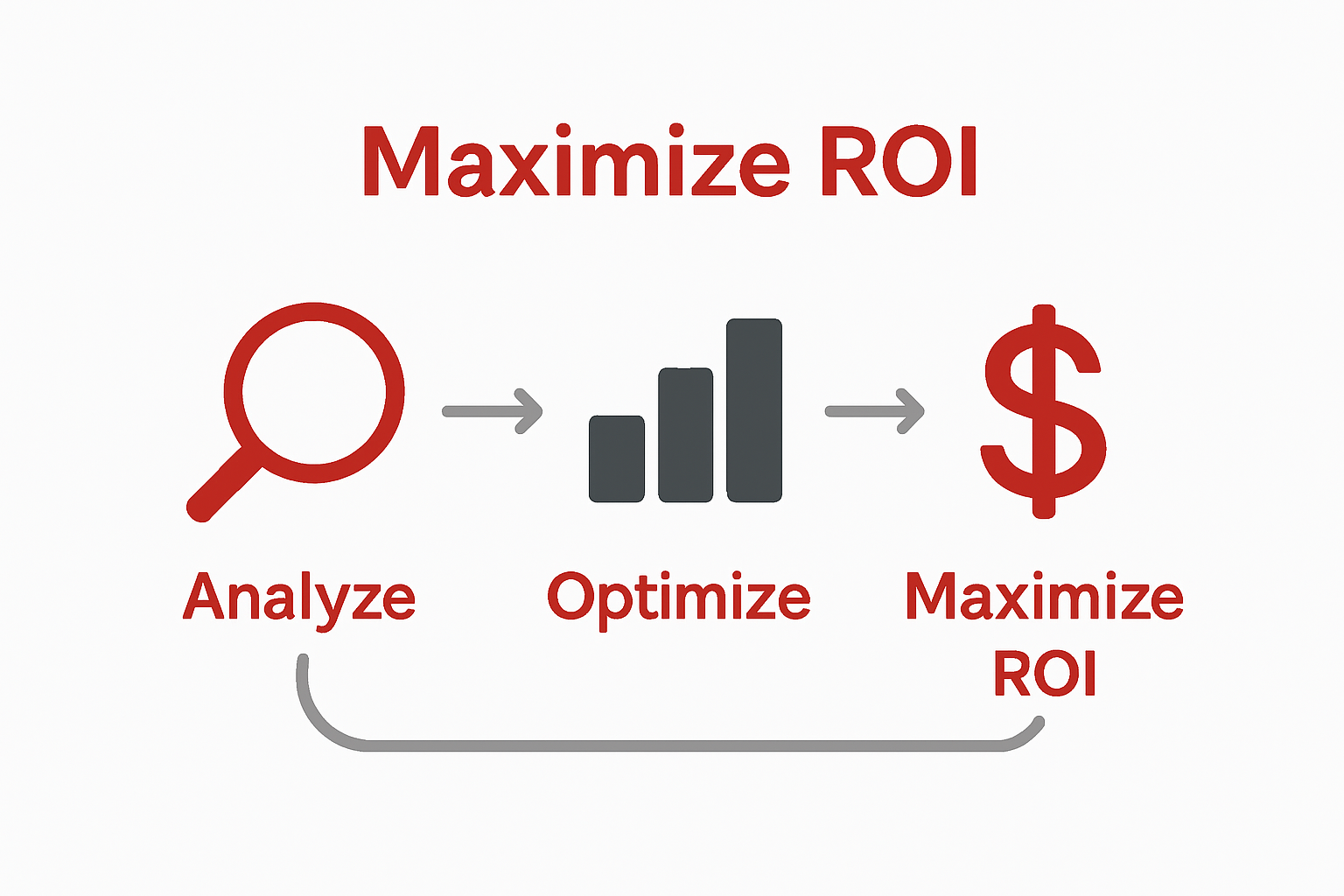
Use advanced analytics tools to track critical metrics like click through rates, conversion rates, cost per acquisition, and return on ad spend. Focus on metrics that directly align with your original campaign goals. If brand awareness was your objective, track impressions and engagement. For sales driven campaigns, prioritize conversion rates and revenue generated. Be prepared to reallocate budgets from underperforming ads to top performing creative variants.
Develop a systematic approach to optimization. Compare performance across different audience segments, creative formats, and platforms. Some demographics might respond better to video content while others engage more with static images. Regularly experiment with targeting parameters and ad formats to discover your most effective combinations.
Pro Tip: Set up automated rules in your advertising platforms to pause or adjust bids for ads that fall below your predefined performance thresholds.
With a data driven optimization strategy, you can continuously improve your social media advertising effectiveness and maximize your marketing investment.
Step 6: Evaluate results and refine strategies
Post campaign analysis is your roadmap to continuous improvement in social media advertising. Conducting comprehensive performance evaluations helps you transform raw data into actionable strategic insights.
Compare your campaign results against the original objectives to understand what truly worked and what missed the mark. Break down performance metrics across different dimensions like audience segments, creative formats, and platforms. Look beyond surface level numbers to understand the underlying patterns. Did certain demographics respond better? Were video ads more effective than static images? Which targeting parameters generated the highest quality leads?
Develop a systematic approach to strategy refinement. Create a detailed performance report that highlights successes and identifies areas for improvement. Document your findings so you can build institutional knowledge over time. This iterative process turns each campaign into a learning opportunity that incrementally enhances your advertising effectiveness.
Pro Tip: Establish a quarterly review process where you comprehensively analyze your social media advertising performance and adjust your strategies accordingly.
By treating your social media advertising as an ongoing experiment you can continuously optimize your approach and drive increasingly better results.
Unlock Your Social Media Advertising Potential with Expert Support
Navigating the complexities of social media advertising requires clear goals, precise audience targeting, and compelling creative strategies. This guide highlights key challenges retailers and brands face such as defining measurable objectives, selecting the right platforms, and optimizing campaigns for maximum return on investment. If you have ever felt overwhelmed by analytics, unsure about targeting, or struggled to maintain engaging content that drives real sales growth then you are not alone.
At Reddog Group, we specialize in helping small and medium-sized businesses conquer these exact obstacles through our Digital & Business Consulting Services by Reddog Consulting. Our proven expertise in omnichannel retailing and digital marketing means you gain tailored strategies that align with your brand’s unique needs and growth goals. Whether you want to optimize your Amazon FBA presence, master direct-to-consumer channels, or build integrated campaigns that convert we provide hands-on guidance to turn insights into measurable success.
Take control of your social media advertising with Reddog Group’s results-driven approach. Visit our Home page to learn more and start transforming your campaigns today. Don’t let uncertainty hold back your market reach—partner with us to maximize your advertising impact now.
Frequently Asked Questions
How do I define clear campaign goals for my social media advertising?
To define clear campaign goals, identify specific, measurable objectives that align with your overall business strategy. For instance, if your goal is to increase website traffic, track metrics like click-through rates to evaluate success.
What factors should I consider when selecting social media platforms for my advertising campaigns?
When selecting social media platforms, analyze the demographics and behaviors of your target audience. For example, if you are targeting a younger demographic, platforms like Instagram and TikTok may be more effective than Facebook.
How can I create compelling ad creatives that connect with my audience?
To create compelling ad creatives, focus on high-quality visuals and concise, relatable messaging. For instance, consider using lifestyle imagery that illustrates your product in real-world situations and evokes an emotional response.
What are the best practices for audience targeting in social media advertising?
Best practices for audience targeting involve combining core demographics with behavioral and interest-based data. Start with a focused segment, then refine your targeting based on performance metrics to improve engagement rates.
How do I monitor the performance of my social media ads effectively?
To monitor performance effectively, track key metrics such as click-through rates and conversion rates that align with your campaign goals. Regularly analyze these metrics and adjust your ad spend based on which ads are performing best.
What steps should I take after my social media campaign ends?
After your campaign ends, conduct a thorough evaluation of the results against your original goals. Create a detailed performance report to identify successful strategies and areas for improvement, enabling you to refine your approach for future campaigns.
Recommended
- 8 Essential Social Media Marketing Tips for Growth | Reddog Consulting Group
- 7 Essential Social Media Strategies 2025 for Retail Growth | Reddog Consulting Group
- 7 Essential Social Media Strategies 2025 for Retail Growth | Reddog Consulting Group
- 7 Advantages of Digital Branding for Growing Retail Brands
- The Modern Age Visual Displays For Branding - PromoSigns.co.uk
- Retail Sign Design Tips 2025: Essential Guide for London Businesses - PromoSigns.co.uk
Leave a comment: