
Published: March 2020 | Last Updated:December 2025
© Copyright 2026, Reddog Consulting Group.

Over 80 percent of American consumers now expect a unified shopping experience whether they browse online, visit a local store, or interact on social media. This shift has pushed businesses to rethink how every touchpoint shapes a shopper’s journey and satisfaction. Understanding retail omnipresence means seeing how seamless integration across platforms, stores, and marketplaces is reshaping loyalty and setting modern brands apart in a crowded market.
| Point | Details |
|---|---|
| Retail Omnipresence Defined | A strategic approach ensuring a seamless shopping experience across digital and physical channels. |
| Key Principles | Consistent messaging, real-time data, and personalized interactions are essential for success. |
| Channel Integration Importance | Treating all sales channels as interconnected enhances brand consistency and customer experience. |
| Navigating Challenges | Successful implementation requires recognizing financial barriers and addressing technological gaps. |
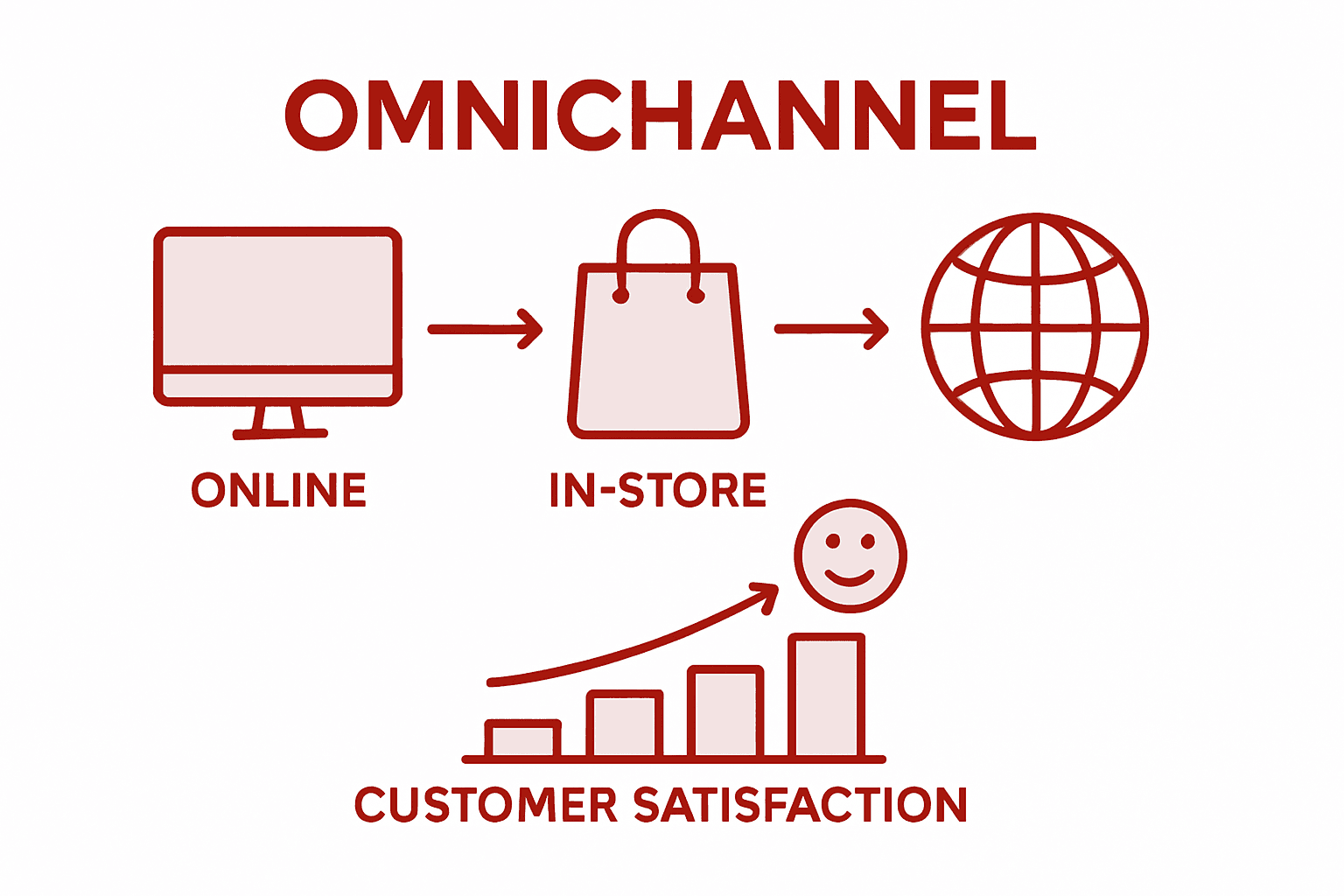
Retail omnipresence represents a strategic approach where businesses create a seamless, integrated shopping experience across multiple channels and touchpoints. This comprehensive strategy goes beyond traditional multichannel selling by ensuring customers can interact with a brand consistently whether they are online, in a physical store, on mobile, or through social media platforms.
At its core, retail omnipresence means breaking down barriers between different sales channels, creating a unified brand experience that allows customers to move effortlessly between digital and physical environments. Retailers are increasingly integrating their management strategies to provide a superior customer journey, recognizing that modern consumers expect flexibility and convenience in how they discover, evaluate, and purchase products.
The fundamental principles of retail omnipresence include:
Pro Tip: Strategic Channel Integration: Start by mapping your customer’s journey across all potential touchpoints and identify opportunities to create smooth, interconnected experiences that feel natural and intuitive.
Smart retailers understand that omnichannel approaches represent the evolution of retail strategy, moving beyond simple sales transactions to create meaningful, personalized engagement that builds long-term customer loyalty.
Retailers are now navigating a complex ecosystem of sales channels that demand strategic integration and seamless customer experiences. The three primary channels for modern retail—online platforms, physical stores, and digital marketplaces—each offer unique opportunities and challenges for businesses seeking to expand their market reach.
In the online channel, retailers can leverage websites and mobile applications to provide 24/7 shopping experiences with extensive product catalogs, personalized recommendations, and convenient purchasing options. Digital platforms enable brands to reach global audiences, collect sophisticated customer data, and implement advanced targeting strategies that are impossible in traditional brick-and-mortar settings.
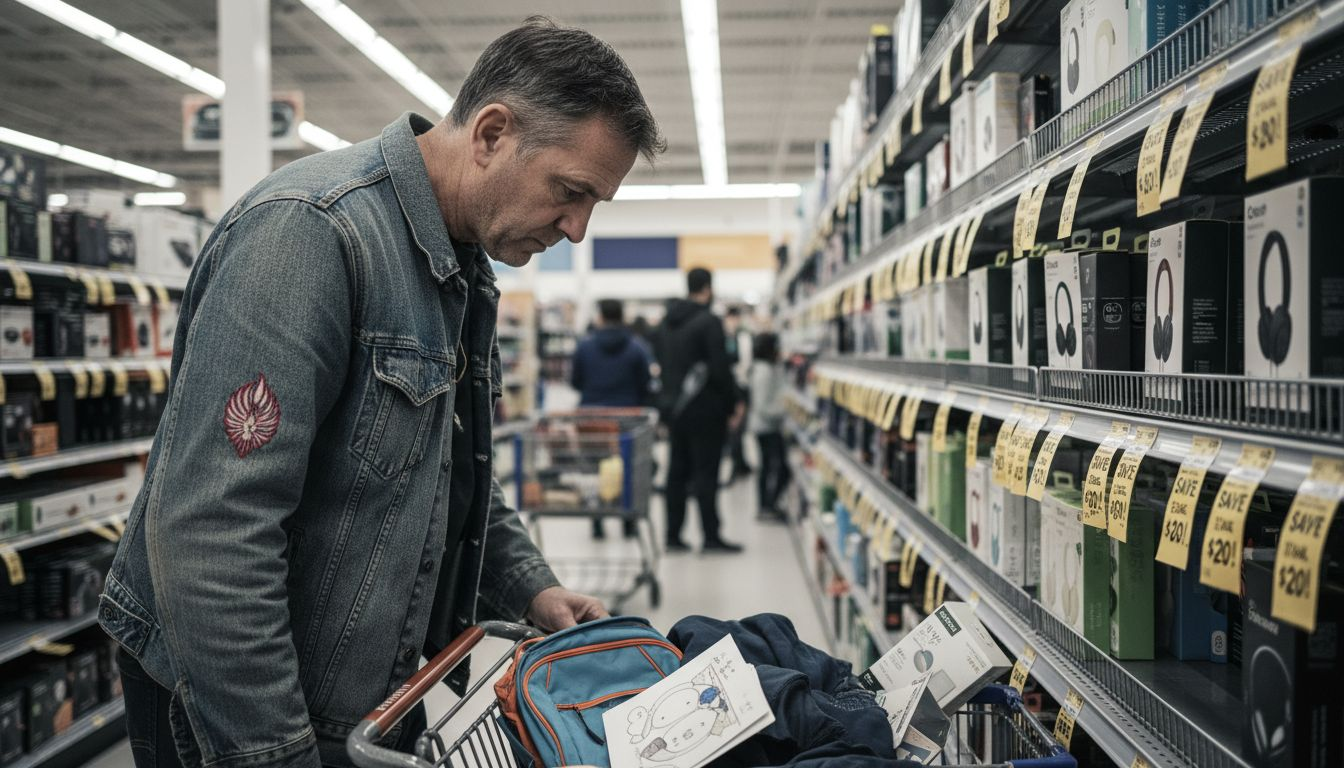
Physical in-store channels remain critical, offering tactile product experiences, immediate purchase capabilities, and personal customer interactions. Strategic channel management allows retailers to create interconnected experiences that blend digital convenience with physical engagement. Modern stores are transforming into experiential spaces that complement online shopping, offering services like in-store pickup, virtual consultations, and augmented reality product trials.
Digital marketplaces represent the third crucial channel, providing platforms where retailers can access massive customer bases through established online ecosystems like Amazon, Etsy, or regional specialty platforms. These marketplaces offer built-in traffic, simplified logistics, and reduced marketing overhead for small and medium-sized businesses.
The key differences between these channels include:
Here’s a comparison of retail channel strengths and business challenges:
| Channel | Strengths | Key Challenges |
|---|---|---|
| Online | Global reach and advanced targeting | Shipping complexity, returns |
| In-Store | Personalized service and instant pickup | High overhead, limited reach |
| Marketplace | Access to large audiences, low setup | Competitive pricing, less brand control |
Pro Tip: Channel Synergy Strategy: Develop a comprehensive strategy that treats each channel not as a separate entity, but as an interconnected component of a unified customer experience, allowing seamless transitions and consistent brand messaging across all touchpoints.
Modern retail strategies are fundamentally transforming how customers interact with brands, creating a complex and interconnected journey that spans multiple touchpoints and channels. The customer journey has evolved from a linear path to a dynamic, non-sequential experience where consumers seamlessly move between digital and physical environments, expecting consistent, personalized interactions at every stage.
Traditional shopping experiences typically followed a predictable pattern: discovery, consideration, purchase, and post-purchase support. Omnichannel omnipresence disrupts this model by providing customers with unprecedented flexibility and continuous engagement. Consumers can now research products on mobile devices, compare prices online, try items in physical stores, purchase through marketplace platforms, and receive support via multiple channels—all within a single, integrated experience.
The impact of omnipresence on the customer journey is profound and multifaceted. Integrated channel strategies enable businesses to create holistic customer experiences that adapt to individual preferences and behaviors. This approach allows for real-time personalization, where retailers can track customer interactions across channels, understanding preferences, and delivering targeted recommendations and services that feel intuitive and frictionless.
Key transformations in the customer journey include:
Pro Tip: Journey Mapping Strategy: Regularly audit and map your customer’s cross-channel interactions, identifying potential friction points and opportunities to create more seamless, personalized experiences that anticipate and exceed customer expectations.
Cloud-based enterprise technologies are revolutionizing how retailers manage and integrate their operational systems, creating unprecedented opportunities for seamless channel integration. The technological infrastructure supporting retail omnipresence has evolved dramatically, enabling businesses to break down traditional silos and create unified, responsive customer experiences across multiple touchpoints.
Enterprise Resource Planning (ERP) systems now serve as the central nervous system for modern retail operations. These sophisticated platforms consolidate data from multiple channels, providing real-time insights into inventory, customer behavior, sales performance, and operational efficiency. Advanced ERP solutions enable retailers to synchronize information across online marketplaces, physical stores, mobile platforms, and customer support channels, ensuring consistent and accurate data management.
Strategic technology integration allows businesses to manage all customer interactions with unprecedented precision, transforming how retailers understand and respond to consumer needs. Key technological enablers include:
Modern retail technologies leverage interconnected systems that communicate seamlessly, breaking down traditional barriers between digital and physical sales environments. Cloud computing, application programming interfaces (APIs), and advanced data streaming technologies create a flexible, responsive infrastructure that adapts to changing consumer behaviors and market dynamics.
Below is a summary of essential technologies driving retail omnipresence:
| Technology Type | Business Role | Example Impact |
|---|---|---|
| ERP Systems | Centralize real-time data | Accurate inventory updates |
| AI/Analytics | Understand customer behavior | Predictive product offers |
| CRM Software | Manage customer relationships | Tailored communications |
| Unified Data Platforms | Connect all touchpoints | Streamlined customer journey |
Pro Tip: Technology Integration Strategy: Conduct a comprehensive audit of your existing technological infrastructure, identifying potential integration points and selecting scalable solutions that can communicate across different platforms and channels.
Implementing a comprehensive omnichannel strategy involves navigating complex operational and technological challenges that can strain both financial resources and organizational capabilities. Retailers must recognize that transforming their existing infrastructure requires substantial investment, strategic planning, and a willingness to fundamentally reimagine their approach to customer engagement.
The financial barriers to omnichannel integration are significant. Technology investments, including advanced Enterprise Resource Planning (ERP) systems, customer data platforms, and integrated marketing technologies, can require substantial upfront capital. Retailers must carefully evaluate the complex costs associated with multichannel strategy implementation, balancing potential long-term benefits against immediate financial constraints.
Common pitfalls that retailers encounter in their omnichannel journey include:
Successful omnichannel strategies demand more than technological solutions. They require a holistic organizational transformation that aligns technology, processes, employee skills, and customer expectations. This means breaking down internal barriers, creating cross-functional teams, and developing a unified vision that prioritizes seamless customer experiences across all channels.
Pro Tip: Strategic Assessment Strategy: Conduct a comprehensive diagnostic assessment of your current technological capabilities, identifying integration gaps and developing a phased implementation roadmap that allows incremental improvements while managing financial risks.
Achieving seamless integration across online, in-store, and marketplace channels is a challenge for many retailers. The article highlights key obstacles like inconsistent data management, fragmented customer journeys, and costly technology investments. If your business struggles with unifying customer experiences or managing complex inventory across multiple channels, you are not alone. Retail omnipresence demands consistent brand messaging, real-time inventory visibility, and personalized interactions to keep your customers engaged and loyal.
At Reddog Group, we specialize in turning these complex challenges into growth opportunities through proven omnichannel retailing and digital marketing strategies. With extensive experience managing over 30,000 SKUs and 50+ brands, we offer tailored services including marketplace management, Amazon FBA optimization, and integrated online-offline sales strategies designed specifically for small and medium-sized businesses. By leveraging advanced technologies and data-driven insights, we help you deliver the seamless, personalized customer journey that modern consumers expect.
Looking to elevate your retail presence across all channels and drive measurable revenue growth? Start your transformation today.
Explore how our proven omnichannel mastery can redefine your retail strategy. Visit Reddog Group now to discover customized solutions that solve your omnipresence challenges and position your brand for lasting success. Don’t wait to turn complexity into competitive advantage—partner with us to expand your reach and create seamless customer experiences across every platform.
Retail omnipresence is a strategy that provides a seamless, integrated shopping experience across multiple channels, allowing customers to interact with a brand consistently online, in-store, and through various digital platforms.
Retail omnipresence transforms the customer journey by enabling flexible, non-sequential interactions across multiple touchpoints, allowing customers to easily move from research to purchase and receive personalized support at every stage.
Key technologies that facilitate retail omnipresence include Enterprise Resource Planning (ERP) systems, Artificial Intelligence (AI) for customer analytics, Unified Customer Data Platforms, and automated marketing tools, all of which help integrate data across various sales channels.
Retailers may encounter challenges like inadequate technological infrastructure, siloed operations, inconsistent data management, and insufficient real-time inventory tracking, all of which can hinder the successful integration of their omnichannel strategy.
Leave a comment: