
Published: March 2020 | Last Updated:January 2026
© Copyright 2026, Reddog Consulting Group.

Choosing the right mobile commerce strategy can feel overwhelming for American e-commerce managers trying to keep every sales channel running smoothly. Customers expect to shop, pay, and interact whenever and wherever they want, and mobile devices are now at the heart of this experience. Understanding how omnichannel retailing seamlessly integrates mobile commerce helps you deliver consistent, personalized shopping journeys that connect your physical store, website, app, and more.
| Point | Details |
|---|---|
| Mobile Commerce Integrates Retail Channels | Mobile commerce blends physical stores, websites, and apps into a unified shopping experience for customers. |
| Personalization Enhances Engagement | Utilizing advanced technologies offers tailored experiences that meet individual customer preferences, driving loyalty. |
| Investment in Technology is Crucial | Businesses must invest in mobile optimization, infrastructure, and training to succeed in omnichannel retail. |
| Mind Potential Implementation Challenges | Retailers should anticipate risks such as cultural resistance and integration issues to ensure a seamless transition to omnichannel strategies. |
Mobile commerce represents a critical digital strategy that enables customers to engage, browse, and purchase products through mobile devices within an integrated retail ecosystem. Omnichannel retail strategies fundamentally transform how businesses interact with consumers by creating seamless transaction experiences across multiple platforms.
At its core, mobile commerce goes beyond simple online purchasing. It encompasses a comprehensive approach where mobile devices serve as dynamic interaction points between customers and brands. Consumers can now research products, compare prices, read reviews, and complete transactions through smartphones and tablets with unprecedented convenience. This technological integration allows retailers to provide personalized experiences that adapt to individual customer preferences and shopping behaviors.
The strategic importance of mobile commerce becomes evident when examining its role in the broader omnichannel landscape. Mobile commerce touchpoints connect physical stores, e-commerce websites, mobile applications, social media platforms, and marketplace channels into a unified customer experience. By leveraging mobile technologies, businesses can track customer interactions, offer targeted promotions, and create more engaging shopping journeys that transcend traditional channel limitations.
Pro tip: Invest in responsive mobile design that provides consistent user experiences across different device screen sizes to maximize mobile commerce engagement and conversion rates.
Mobile commerce platforms have evolved to encompass a diverse range of transaction types and technological approaches that enable seamless digital purchasing experiences. Mobile commerce transactions now include everything from online shopping and bill payments to ticket bookings and service purchases, all facilitated exclusively through mobile devices like smartphones and tablets.
The primary platforms driving mobile commerce can be categorized into several key types. Mobile-optimized websites provide responsive designs that adapt to different screen sizes, allowing customers to browse and purchase products directly through their web browsers. Native mobile applications represent another critical platform, offering more sophisticated user experiences with features like personalized recommendations, one-click purchasing, and integrated payment systems. These apps often specialize in specific retail categories such as fashion, beauty, electronics, and marketplace services.

Contemporary mobile commerce solutions have expanded to include advanced technologies like mobile wallets, in-app purchasing systems, and cloud-based transaction platforms. Businesses can now choose between on-premises and cloud-based mobile commerce technologies, tailoring their approach to specific consumer preferences and technological capabilities. These platforms support various transaction methods, including digital payments, subscription services, and real-time purchasing across multiple retail channels.
Here’s a concise comparison of the main mobile commerce platforms and their core strengths:
| Platform Type | Key Benefit | Common Use Case |
|---|---|---|
| Mobile-Optimized Website | Seamless cross-device access | Browsing and quick purchases |
| Native Mobile Application | Personalization features | Frequent shopping, loyalty usage |
| Mobile Wallet Integration | Fast, secure payments | One-click checkout, subscriptions |
| Cloud-Based Commerce System | Scalable infrastructure | Multi-channel retail operations |
Pro tip: Conduct regular user experience testing on your mobile commerce platforms to identify and eliminate friction points that might discourage customer conversions.
Mobile commerce usability represents a critical evolution in digital shopping experiences, transforming how consumers interact with brands through intuitive, responsive design and streamlined technological interfaces. By optimizing platforms for smaller touchscreens and touch-based interactions, businesses can create more engaging and efficient purchasing journeys that meet modern consumer expectations.
The core of enhanced mobile commerce experiences lies in sophisticated interface design and personalization strategies. Responsive layouts that automatically adjust to different device screen sizes ensure consistent visual experiences, while intelligent navigation systems reduce friction during product discovery and checkout processes. Advanced mobile platforms incorporate features like one-click purchasing, secure payment integrations, and personalized content recommendations that make shopping more convenient and tailored to individual user preferences.
Mobile app user engagement goes beyond simple transactional interactions, leveraging device capabilities to create immersive experiences. Businesses can now use push notifications, location-based services, and contextual marketing to deliver relevant content and promotions directly to users. These technologies enable real-time communication, order tracking, and personalized shopping experiences that build stronger connections between brands and consumers, ultimately driving increased loyalty and repeat purchases.
Pro tip: Regularly analyze your mobile commerce platform’s user interaction data to identify and eliminate potential points of user frustration, ensuring a smooth and intuitive shopping experience.
Direct-to-consumer (DTC) integration represents a transformative strategy for retailers seeking to create seamless shopping experiences across multiple channels. By breaking down traditional barriers between online and offline platforms, businesses can develop more flexible and responsive retail ecosystems that meet evolving consumer expectations. This approach allows brands to maintain direct relationships with customers while simultaneously leveraging the reach and infrastructure of established marketplaces.
The technological infrastructure supporting omnichannel integration requires sophisticated inventory management and synchronization systems. Retailers must develop real-time capabilities that enable consistent product availability, pricing, and customer data across direct websites, marketplace platforms, and physical store locations. Advanced mobile technologies play a crucial role in this integration, providing customers with flexible purchasing options like online browsing, in-store pickup, and seamless returns across different channels.
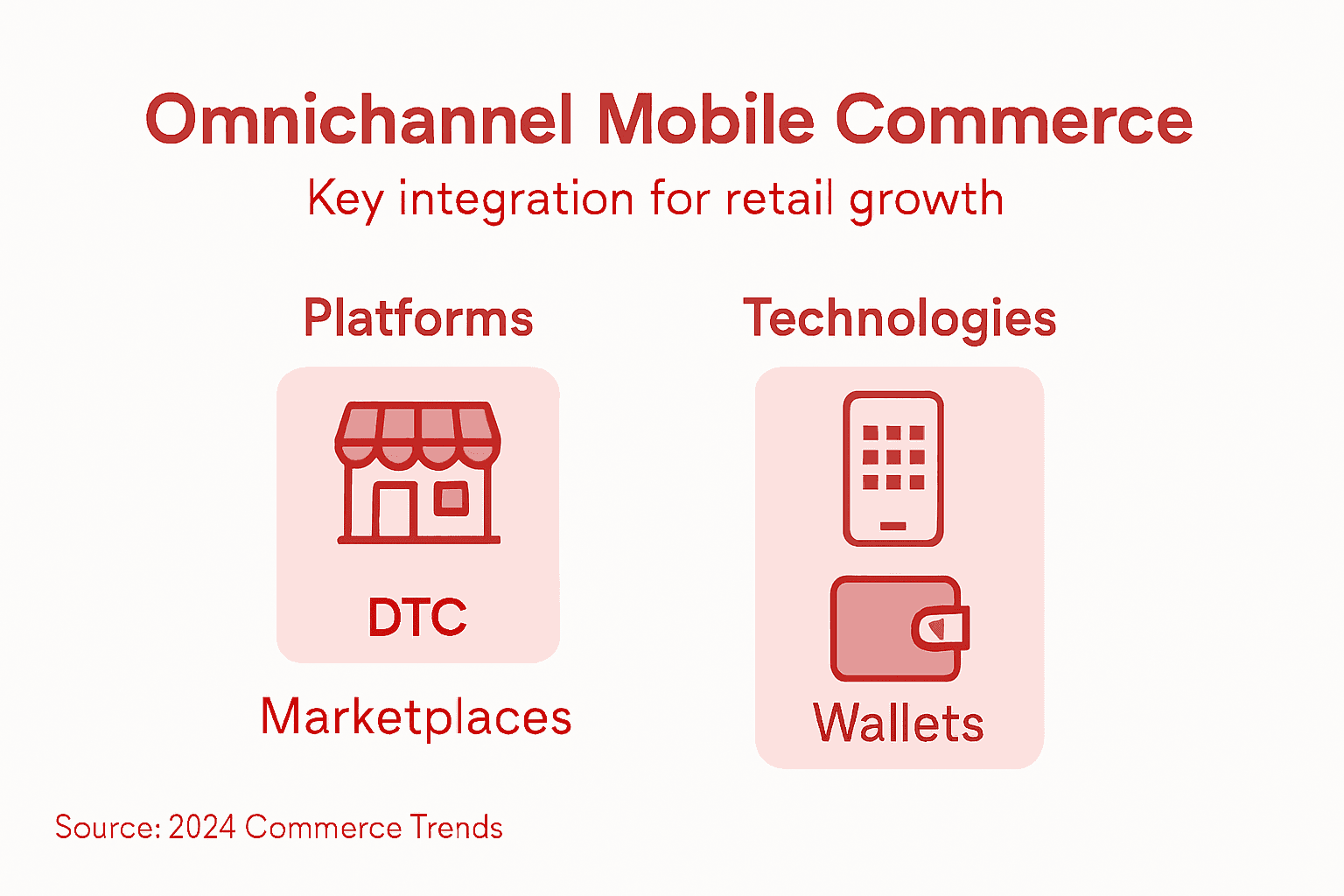
Asymmetrical channel integration enables businesses to extend product selections and enhance customer convenience by connecting digital and physical shopping experiences. Mobile platforms can now supplement in-store inventory, allowing customers to access expanded product ranges, check real-time availability, and make informed purchasing decisions. This approach requires careful alignment of logistics, technology platforms, and inventory management to create a truly integrated shopping experience that feels natural and intuitive to consumers.
Pro tip: Invest in unified commerce technologies that provide a single, centralized view of inventory and customer interactions across all sales channels to streamline operations and improve customer satisfaction.
Omnichannel retail transitions involve complex technological and operational challenges that can significantly impact a business’s success. Retailers must navigate intricate pricing structures, technological integrations, and customer experience expectations while managing substantial financial investments. The most critical risks emerge from treating digital and physical channels as disconnected systems rather than understanding them as interconnected components of a unified customer journey.
The technological infrastructure required for successful implementation demands significant financial and organizational resources. Businesses frequently underestimate the complexity of integrating inventory management systems, synchronizing pricing across platforms, and creating consistent customer experiences. Potential pitfalls include over-automation that strips away personalization, inadequate staff training, and technology investments that fail to align with actual customer needs and behaviors.
Retail omnichannel implementation challenges reveal deep organizational cultural barriers that can derail even well-planned strategies. Operational inefficiencies often stem from departmental silos, resistance to technological change, and misaligned performance metrics. Successful implementation requires a holistic approach that breaks down traditional organizational boundaries, fosters cross-functional collaboration, and maintains a laser focus on creating seamless customer experiences across all interaction points.
Below is a summary of frequent risks and mistakes in omnichannel mobile commerce implementation:
| Challenge Area | Typical Risk | Impact on Business |
|---|---|---|
| System Integration | Data synchronization errors | Inventory discrepancies |
| Staff Training | Insufficient training | Poor customer service |
| Automation Level | Loss of personalization | Reduced engagement |
| Cultural Alignment | Departmental resistance to change | Implementation slowdowns |
Pro tip: Conduct a comprehensive internal audit of your current technological capabilities and organizational culture before investing in omnichannel solutions to identify potential resistance points and alignment opportunities.
Mobile commerce is reshaping the future of retail by connecting online and offline channels into one unified experience. If you are struggling with complex system integrations or finding it challenging to deliver personalized mobile shopping journeys, you are not alone. The article highlights common pain points such as inventory synchronization errors, cultural resistance, and technology gaps that can stall your omnichannel success. Now is the time to transform these challenges into growth opportunities through proven strategies that make mobile commerce a powerful driver for your brand expansion.
Explore tailored solutions designed specifically to elevate your mobile commerce initiatives and streamline your omnichannel operations at Digital & Business Consulting Services by Reddog Consulting.

Take control of your omnichannel future today with Reddog Group’s expert consulting and marketplace management. Our deep experience managing thousands of SKUs and crafting integrated strategies ensures you can win in today’s competitive landscape. Visit our landing page to discover how we can help you optimize mobile commerce touchpoints, unify your customer data, and accelerate your revenue growth. Act now to create seamless, scalable, and engaging mobile shopping experiences that build loyalty and drive measurable results.
Mobile commerce refers to the process of purchasing products or services through mobile devices, such as smartphones and tablets. It plays a crucial role in omnichannel retail by providing seamless shopping experiences across various platforms, integrating online and offline interactions.
The main types of mobile commerce platforms include mobile-optimized websites, native mobile applications, mobile wallet integrations, and cloud-based commerce systems. Each platform offers distinct benefits, such as responsive designs for web browsers and personalized features in mobile apps.
Mobile commerce enhances user experience by using intuitive designs, personalized content, and streamlined checkout processes. Features like one-click purchasing and secure payment options create a convenient and engaging shopping journey for consumers.
Businesses should be cautious of risks such as data synchronization errors, insufficient staff training, and challenges in integrating technology systems. Prioritizing a holistic approach to implementation can help mitigate these risks and improve customer experiences.
Leave a comment: