
Published: March 2020 | Last Updated:December 2025
© Copyright 2026, Reddog Consulting Group.

Most American retailers face fierce competition where even a small edge can make a huge difference. With more than 80 percent of American shoppers choosing to buy from online marketplaces, the pressure to optimize every channel is at an all-time high. Marketplace optimization offers powerful strategies so sellers can reach more buyers, boost revenue, and create connected retail experiences designed for today’s digital economy.
| Point | Details |
|---|---|
| Marketplace Optimization is Essential | It enhances retail performance by integrating digital and physical channels for improved visibility and engagement. |
| Types of Marketplace Models Matter | Understanding horizontal, vertical, and niche marketplaces helps retailers optimize their approaches to diverse consumer needs. |
| Data-Driven Strategies are Key | Implementing advanced analytics and dynamic inventory management can significantly improve marketplace performance and responsiveness. |
| Be Aware of Risks | Businesses should anticipate operational, financial, and strategic risks to prevent costly mistakes in marketplace optimization. |
Marketplace optimization represents a strategic approach to enhancing retail performance across multiple digital and physical sales channels. At its core, this methodology focuses on creating seamless, integrated experiences that maximize seller visibility, buyer engagement, and overall platform efficiency. Marketplace optimization goes beyond traditional selling strategies by leveraging data-driven insights to synchronize inventory, pricing, and marketing efforts across diverse retail environments.
Understanding marketplace optimization requires examining how digital platforms strategically manage interactions between buyers and sellers. Research indicates that successful optimization involves complex interactions where platforms systematically balance market demands, professional standards, and corporate objectives. These digital ecosystems create value by reducing transactional friction, providing transparent pricing mechanisms, and offering robust discovery tools for both sellers and consumers.
The fundamental components of marketplace optimization include several key strategic elements:
By implementing these sophisticated optimization techniques, retailers can transform fragmented sales channels into cohesive, high-performing networks that adapt rapidly to changing market dynamics. The goal is not just selling products but creating intelligent, responsive retail ecosystems that anticipate and meet consumer needs with unprecedented precision and efficiency.
Modern retail environments encompass a diverse array of marketplace channels that enable businesses to reach customers through multiple interconnected platforms. Digital platforms strategically categorize these channels to optimize seller and buyer interactions across different operational models. These channels range from traditional eCommerce websites to sophisticated multi-vendor marketplaces, each designed to address specific market segment needs and consumer preferences.
Research reveals that marketplace models can be broadly classified into three primary categories: horizontal, vertical, and niche marketplaces. Horizontal marketplaces like Amazon offer a wide range of products across multiple categories, while vertical marketplaces specialize in specific industries such as electronics or fashion. Niche marketplaces target highly specialized consumer segments with curated product selections. Each model presents unique advantages in connecting sellers and buyers:
Horizontal Marketplaces
Vertical Marketplaces
Niche Marketplaces
Successful marketplace channels leverage advanced technological infrastructure to create seamless transactional experiences. By implementing intelligent matching algorithms, robust payment systems, and comprehensive seller performance metrics, these platforms transform traditional retail interactions into dynamic, data-driven ecosystems that adapt rapidly to changing market demands.

Marketplace optimization requires a comprehensive approach that integrates multiple strategic elements to drive sustainable growth. Retail promotion strategies play a critical role in creating dynamic performance frameworks that adapt to rapidly changing market conditions. Successful optimization goes beyond simple transactional improvements, focusing instead on holistic systems that enhance overall marketplace effectiveness.
Research highlights several core optimization strategies that retailers can implement to maximize their marketplace performance:
Data-Driven Decision Making
Dynamic Inventory Management
Pricing Intelligence
Strategic marketplace optimization demands continuous adaptation. Innovative approaches to dynamic inventory positioning enable retailers to respond rapidly to uncertain market demands, creating resilient systems that balance supply efficiency with consumer expectations. By leveraging sophisticated technological infrastructure and data analytics, businesses can transform traditional marketplace interactions into intelligent, responsive ecosystems that consistently deliver superior performance and customer satisfaction.
Small and medium-sized businesses face unique challenges when implementing omnichannel strategies, requiring nuanced approaches that balance technological capabilities with resource constraints. Omnichannel marketing integration provides a critical framework for businesses seeking to expand their market reach and create seamless customer experiences across multiple platforms.
Research reveals several key strategies for successful omnichannel implementation:
Technology Infrastructure
Channel Synchronization
Customer Experience Optimization
Dynamic inventory positioning strategies enable SMBs to develop robust omnichannel approaches that adapt to changing market demands. By leveraging data-driven insights and flexible technological frameworks, small businesses can create sophisticated retail ecosystems that compete effectively with larger enterprises. The key is developing an integrated approach that maximizes existing resources while creating scalable, responsive sales channels that meet evolving customer expectations.
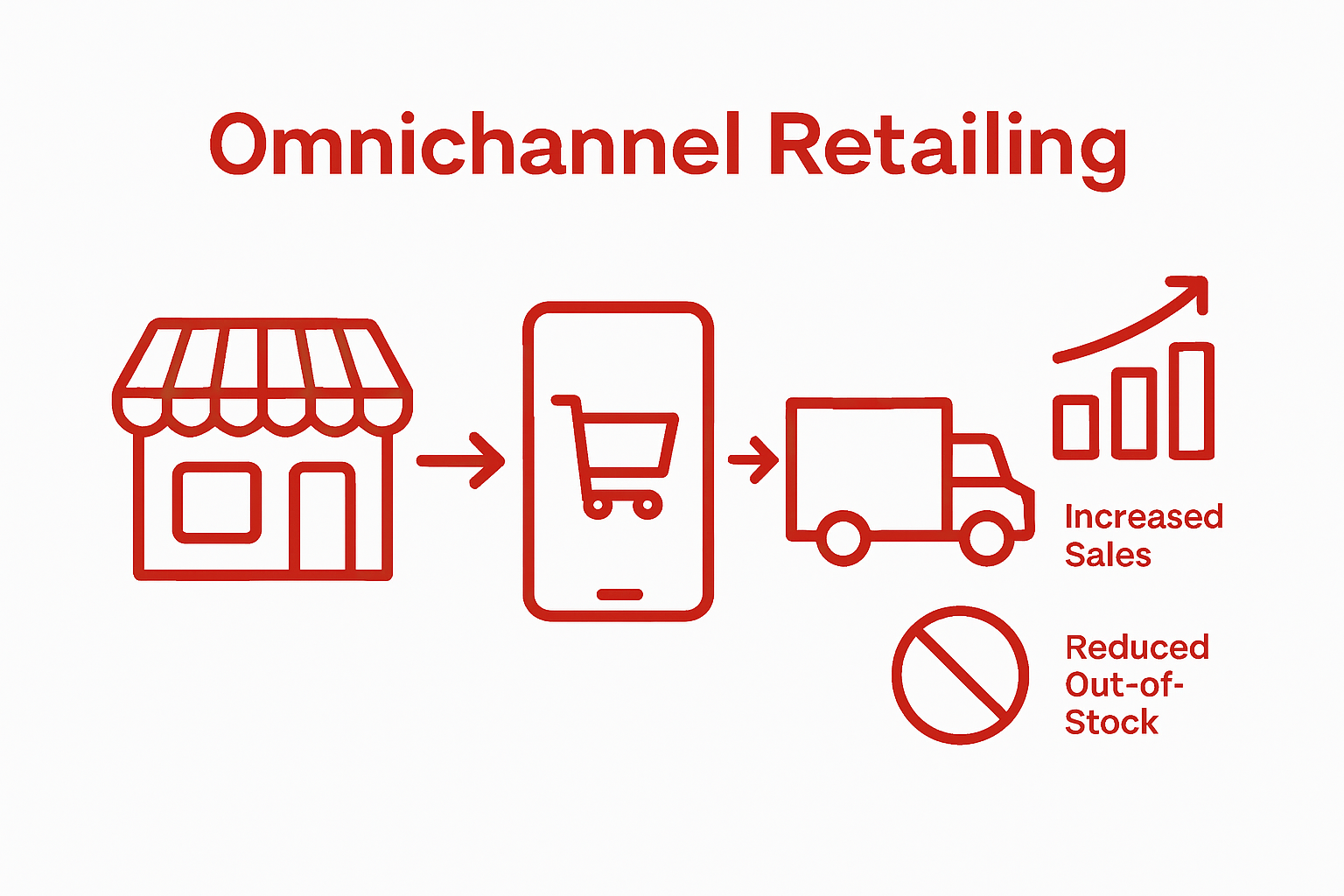
Marketplace optimization requires a strategic approach that anticipates potential pitfalls and proactively mitigates risks. Understanding marketplace management strategies helps businesses identify critical areas where costly mistakes can derail marketplace performance and growth potential.
Common Risks in Marketplace Optimization:
Operational Risks
Financial Risks
Strategic Risks
Competitive marketplace dynamics reveal that suboptimal assortment planning can significantly impact revenue generation. Businesses frequently encounter challenges when attempting to scale their marketplace operations, often underestimating the complexity of maintaining consistent performance across multiple channels. Successful optimization requires a disciplined approach that balances technological investment, strategic planning, and continuous performance evaluation while remaining adaptable to rapidly changing market conditions.
If you’re tackling challenges like complex inventory management, inconsistent pricing, or fragmented channel synchronization described in this article, you are not alone. Achieving effective marketplace optimization demands a strategic and data-driven approach that connects every retail touchpoint into a cohesive experience. Many businesses struggle to balance real-time pricing intelligence and dynamic inventory positioning while aiming to boost cross-channel performance and customer satisfaction.
Reddog Group specializes in turning these challenges into growth opportunities through tailored solutions focused on omnichannel mastery and marketplace management. With our proven track record of managing over 30,000 SKUs and driving significant year-over-year revenue gains, we help small and medium-sized brands streamline their digital and physical retail ecosystems. Discover how our Digital & Business Consulting Services by Reddog Consulting empower brands to optimize product listings, synchronize inventory, and execute data-driven marketing campaigns effectively.
Ready to transform your marketplace strategy and unlock new revenue streams? Visit our Home page to explore solutions designed for sustainable omnichannel growth. Learn how we bring smart technology and strategic guidance together at Reddog Group to expand your market reach and elevate customer experiences today.
Marketplace optimization is a strategic approach focused on enhancing retail performance across multiple sales channels by creating seamless and integrated experiences that maximize seller visibility and buyer engagement.
The key components include advanced inventory management systems, real-time pricing analytics, cross-channel performance tracking, intelligent recommendation algorithms, and comprehensive seller performance metrics.
Marketplace models can be categorized into horizontal, vertical, and niche marketplaces, each offering unique advantages such as broad product ranges, industry-specific expertise, or specialized offerings that can enhance seller performance in specific segments.
Retailers can employ strategies such as data-driven decision making, dynamic inventory management, and pricing intelligence to enhance their marketplace performance and maximize growth.
Leave a comment: