
Published: March 2020 | Last Updated:February 2026
© Copyright 2026, Reddog Consulting Group.

Every Texas CPG founder knows logistics can make or break profits on Amazon and Walmart. The right approach lets brands move products efficiently while keeping customers happy and margins strong. By mastering logistics management from inbound inventory to fulfillment choices, founders gain a clear advantage in controlling costs and accelerating growth across multiple channels.
| Point | Details |
|---|---|
| Logistics as a Strategy | CPG brands should view logistics as a competitive differentiator that enhances profitability and customer satisfaction, rather than just a cost center. |
| Fulfillment Model Evaluation | Regularly assess fulfillment models to choose the right strategy that balances operational control and customer experience. |
| Advanced Inventory Techniques | Implement data-driven inventory management strategies to optimize stock levels and improve cash flow. |
| Logistics Cost Management | Design a proactive approach to logistics costs to uncover and mitigate inefficiencies that can erode profit margins. |
Logistics represents the strategic nerve center of ecommerce supply chains, orchestrating the complex movement of products from manufacturer to consumer. At its core, logistics management involves intricate planning and execution of product transportation, storage, and flow across multiple channels.
According to supply chain experts, logistics encompasses comprehensive movement strategies that go far beyond simple transportation. These strategies include:
For CPG brands operating in competitive ecommerce marketplaces like Amazon and Walmart, understanding logistics means recognizing it as more than a cost center. It’s a strategic lever that directly impacts profitability, customer satisfaction, and operational efficiency.
The most successful brands view logistics not as a back-office function, but as a critical competitive differentiator. This means developing sophisticated systems that can rapidly adapt to changing market demands, minimize storage costs, and optimize inventory velocity across multiple sales channels.
Effective logistics transforms product movement from a transactional process into a strategic growth engine for ecommerce brands.
Key logistics considerations for CPG brands include:
Pro tip: Conduct a comprehensive logistics audit every six months to identify potential margin improvements and operational bottlenecks across your ecommerce supply chain.
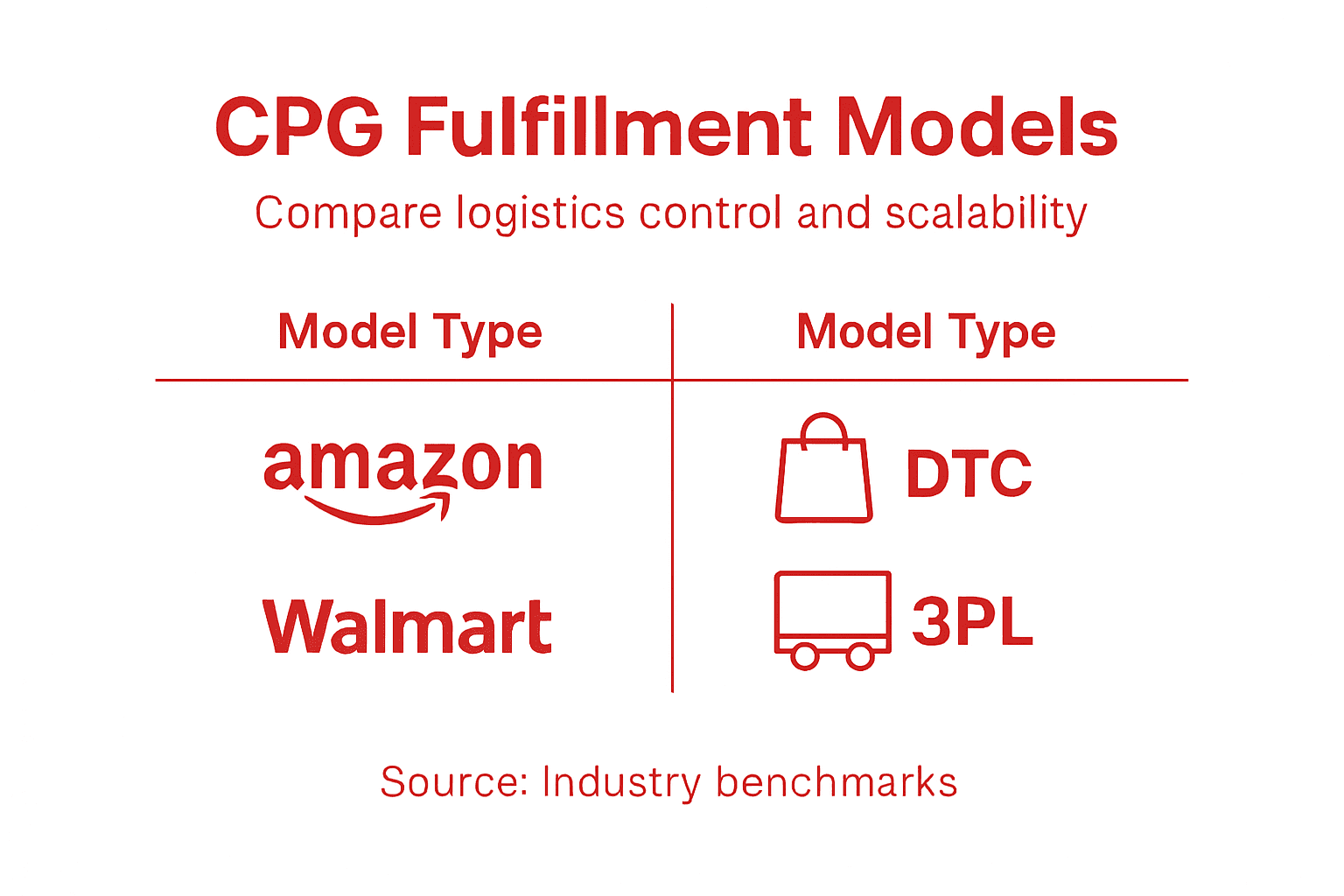
Fulfillment models in modern ecommerce represent critical strategic choices that directly impact a CPG brand’s operational efficiency, customer experience, and bottom-line profitability. Fulfillment strategies vary dramatically across different marketplace and direct-to-consumer approaches, each with unique advantages and challenges.
The four primary fulfillment models for CPG brands include:
Amazon FBA represents the most structured marketplace fulfillment approach, where Amazon handles storage, packaging, shipping, and customer service. Brands benefit from Prime eligibility and Amazon’s extensive logistics infrastructure, but face higher fees and less direct control over the customer experience.
Walmart Fulfillment Services offers a similar model, providing sellers with end-to-end logistics support while leveraging Walmart’s extensive distribution network. This model allows brands to tap into Walmart’s massive retail ecosystem with reduced operational complexity.
Marketplace fulfillment is not just about moving products — it’s about creating seamless, efficient customer experiences that drive repeat business.
Key differences between fulfillment models include:
Direct-to-Consumer (DTC) fulfillment provides brands maximum control but requires significant internal logistics infrastructure. Companies must manage everything from inventory management to final mile delivery, which demands substantial operational expertise and investment.
Third-Party Logistics (3PL) providers offer a flexible middle ground, allowing brands to outsource complex logistics functions while maintaining some strategic oversight. These providers can support multichannel fulfillment across different marketplaces and direct sales channels.
Here’s a concise comparison of major ecommerce fulfillment models for CPG brands:
| Model Type | Brand Control Level | Scalability Potential | Customer Experience Impact |
|---|---|---|---|
| Amazon FBA | Low (Amazon controlled) | Extremely high | Consistent, Prime benefits |
| Walmart Fulfillment | Low (Walmart controlled) | High with built-in network | Reliable, Walmart ecosystem |
| DTC Fulfillment | High (brand controlled) | Variable, requires investment | Highly tailored, branded |
| 3PL Fulfillment | Moderate (shared) | Flexible, rapid ramp-up | Customizable, multi-channel |
Pro tip: Evaluate your fulfillment model annually by calculating total landed costs, comparing marketplace fees, and assessing customer satisfaction metrics across different strategies.
Inventory management represents a critical lever for CPG brands seeking to optimize financial performance and operational efficiency. Inventory control practices directly influence profitability by managing the complex balance between product availability and holding costs across multiple sales channels.
The most sophisticated CPG brands utilize advanced inventory strategies that go beyond traditional stock tracking:
These strategies enable brands to minimize excess inventory, reduce storage expenses, and maintain optimal stock levels that support rapid order fulfillment. By understanding precise inventory velocity, companies can free up working capital and improve overall financial flexibility.
Effective inventory management transforms static product holdings into dynamic financial assets that drive business growth.
Key financial impacts of strategic inventory management include:
Most successful CPG brands implement data-driven inventory approaches that leverage predictive analytics and real-time market insights. This allows for more accurate demand forecasting, preventing both stockouts and overstock scenarios that can erode profit margins.
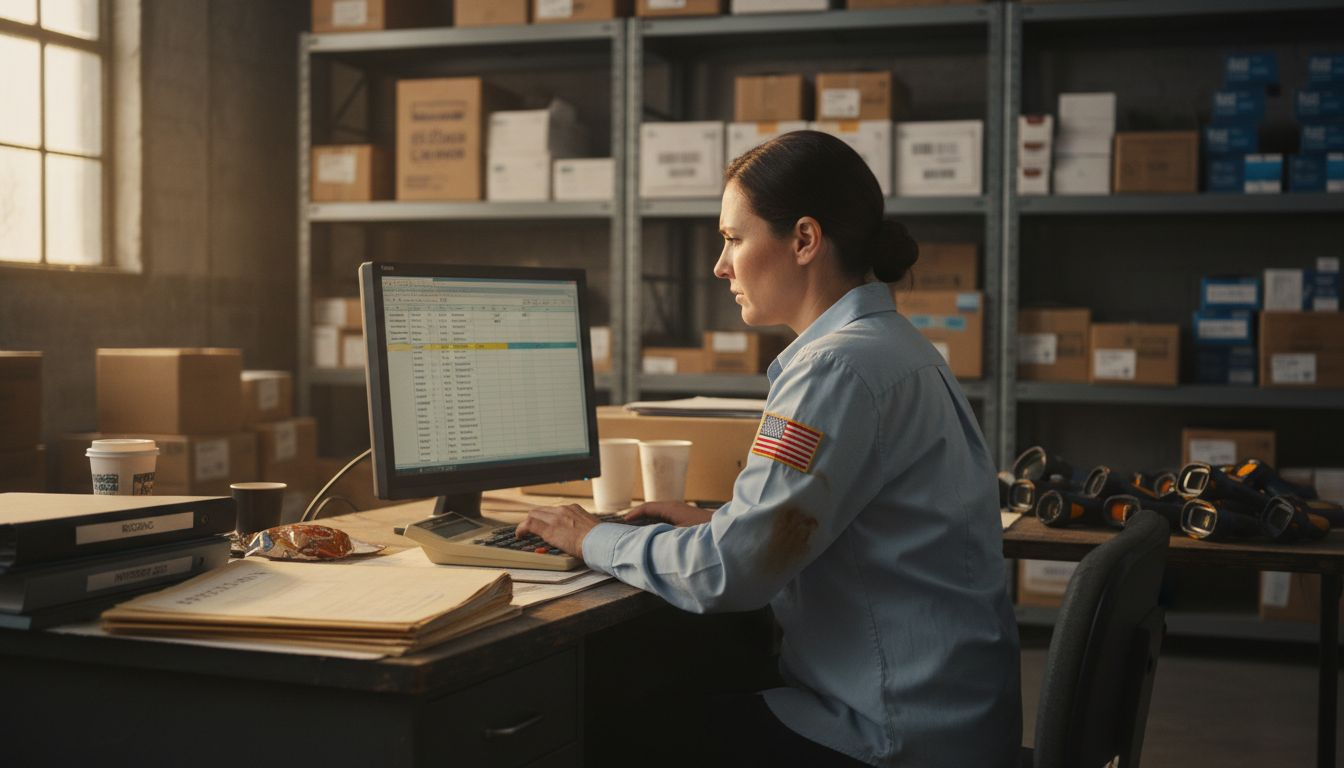
The following table outlines how advanced inventory management techniques influence business performance:
| Strategy | Key Benefit | Margin Impact |
|---|---|---|
| Just-In-Time (JIT) | Reduces capital tied in stock | Frees cash for growth |
| Real-Time Tracking | Prevents overstock/stockouts | Protects against lost sales |
| Demand Forecasting | Matches supply to sales trend | Reduces waste, lifts margin |
| ABC Classification | Focuses on top-value items | Prioritizes profits |
Pro tip: Implement a quarterly inventory performance review that calculates your inventory turnover ratio, carrying costs, and potential margin improvements across different sales channels.
Logistics costs represent a critical component of profitability for CPG brands operating in complex ecommerce ecosystems. Measuring logistics expenses strategically is essential for maintaining competitive margins and preventing financial erosion across multiple sales channels.
Key logistics cost components that impact CPG brand profitability include:
Successful brands approach logistics cost management as a dynamic, data-driven process. By implementing advanced analytics and strategic partnerships, companies can identify and eliminate inefficiencies that silently drain profit margins.
Precision in logistics cost management transforms operational expenses from profit destroyers into strategic competitive advantages.
Critical strategies for minimizing logistics margin leaks involve:
Most high-performing CPG brands recognize that logistics is not merely an expense category, but a sophisticated optimization opportunity. Sophisticated companies continuously analyze their logistics spend, looking for incremental improvements that compound into significant margin protection.
Pro tip: Conduct a comprehensive logistics cost audit quarterly, comparing your current expenses against industry benchmarks and identifying at least three potential optimization strategies.
Omnichannel logistics represents the strategic backbone for modern CPG brands seeking sustainable growth across diverse sales platforms. CPG companies are transforming supply networks by integrating technology and flexible fulfillment strategies that enable seamless performance across multiple channels.
Key components of successful multichannel logistics optimization include:
Successful CPG brands recognize that channel diversity requires sophisticated logistics approaches that go beyond traditional linear supply chain models. This means developing adaptable systems that can rapidly shift between direct-to-consumer, retail, and wholesale distribution channels.
Effective logistics optimization transforms fragmented sales channels into a cohesive, responsive growth engine.
Critical logistics optimization strategies involve:
Most high-performing brands view logistics not as a cost center, but as a strategic differentiator that enables rapid market adaptation and customer satisfaction across all sales channels.
Pro tip: Develop a quarterly cross-channel logistics performance scorecard that tracks efficiency metrics, technology investments, and customer experience indicators across all distribution platforms.
Navigating logistics complexities like Amazon FBA fees, Walmart WFS margin challenges, and inventory velocity can make or break your ecommerce profitability. This article highlights critical pain points such as minimizing logistics margin leaks and optimizing fulfillment models. If you are a CPG brand struggling to understand the true contribution of each channel to your bottom line or trying to eliminate hidden costs eroding your margin, expert guidance is essential.
At RedDog Group, we specialize in helping emerging and growth-stage CPG brands build margin-focused strategies that address operational clarity and marketplace economics across Amazon, Walmart, DTC, and 3PL fulfillment. Our analytical approach turns logistics from a costly burden into a strategic advantage.
Explore how our Digital & Business Consulting Services by Reddog Consulting can help you transform complex supply chain challenges into scalable profit engines.
Take control of your logistics costs and unlock new growth opportunities today. Visit our Home page to learn more and start building a contribution-margin-first logistics strategy tailored for your brand’s success. Don’t wait for margin leaks to erode your profitability. Partner with us at Reddog Group and make every channel count.
Logistics plays a crucial role in ecommerce profitability for CPG brands by optimizing product movement, reducing operating costs, and enhancing customer satisfaction. Effective logistics transforms logistics from a cost center into a strategic advantage that can drive revenue growth.
CPG brands can minimize logistics costs by negotiating favorable contracts with carriers, optimizing shipping routes, consolidating shipments, and leveraging technology for real-time tracking and analytics. Regular audits of logistics expenses can also identify inefficiencies and potential savings.
Effective inventory management strategies for CPG brands include Just-In-Time (JIT) inventory, Economic Order Quantity (EOQ) analysis, ABC inventory classification, demand forecasting, and real-time inventory tracking to reduce holding costs and ensure product availability.
The choice of fulfillment model—such as Amazon FBA, Walmart Fulfillment Services, Direct-to-Consumer, or Third-Party Logistics—affects logistics by determining operational control, costs, customer experience, and scalability potential. Brands must choose a model that aligns with their business goals and customer expectations.
Leave a comment: