
Published: March 2020 | Last Updated:December 2025
© Copyright 2026, Reddog Consulting Group.

Most American shoppers now expect to move seamlessly between online and physical stores, and nearly 75 percent say they value the flexibility of hybrid retail options. As consumer habits evolve, businesses need strategies that connect digital convenience with in-person experiences to meet growing expectations. This guide explores how hybrid retail transforms commerce in the American market, highlighting what sets effective approaches apart in a fast-changing sales environment.
| Point | Details |
|---|---|
| Hybrid Retail Model | Integrates online and physical sales channels to enhance customer experiences and broaden market reach. |
| Strategic Integration | Focus on synchronizing inventory and establishing unified customer data systems to streamline operations. |
| Operational Challenges | Address potential pitfalls such as inconsistent customer experiences and technology integration issues for successful implementation. |
| Actionable Steps | Start with small integrations, like click-and-collect options, to enhance flexibility and improve customer convenience. |
Hybrid retail represents a transformative approach to commerce that seamlessly blends digital and physical sales channels. This innovative model allows small and medium-sized businesses to expand their reach beyond traditional brick-and-mortar stores while creating integrated shopping experiences that meet modern consumer expectations. By strategically combining online platforms with physical retail presence, businesses can provide flexible purchasing options that adapt to changing customer preferences.
The concept of hybrid retail goes far beyond simple multichannel selling. It involves creating a unified commerce experience where customers can effortlessly transition between digital and physical touchpoints. Campus store models demonstrate how hybrid approaches can revolutionize retail strategies, showing that successful integration requires more than just having multiple sales channels. Retailers must design interconnected systems that provide consistent product information, pricing, and customer service across all platforms.
Key characteristics of hybrid retail include real-time inventory synchronization, omnichannel customer support, and personalized shopping experiences that transcend traditional sales boundaries. Businesses adopting this model can leverage digital tools to enhance in-store experiences, such as offering mobile check-ins, augmented reality product previews, or immediate online order fulfillment through physical store inventory. These strategies help SMBs compete with larger retailers by creating unique, flexible shopping journeys that prioritize customer convenience.
Pro Retail Strategy Tip: Start small by identifying one or two digital integration points for your physical store, such as enabling online reservation of in-store products or implementing a unified customer loyalty program that works across digital and physical platforms.
Hybrid retail models represent sophisticated approaches to integrating multiple sales channels, enabling small and medium-sized businesses to create more flexible and responsive commerce strategies. These models go beyond simple multichannel selling by developing interconnected systems that provide seamless customer experiences across digital and physical platforms. The goal is to break down traditional barriers between online and offline retail environments, creating a unified approach that maximizes consumer convenience and business efficiency.
Buy Online, Pick Up in Store (BOPS) strategies demonstrate the power of integrated retail models, showing how businesses can leverage technology to connect digital ordering with physical store operations. This approach allows retailers to optimize inventory management, reduce shipping costs, and provide customers with immediate product access. The most successful hybrid models incorporate multiple channel structures, such as:
Internationally, hybrid B2B and B2C retail models are emerging as innovative solutions to logistical challenges, particularly in regions with complex distribution networks. These models allow businesses to partner with local stores, creating more efficient delivery systems and expanding market reach. By combining different sales approaches, retailers can develop more resilient and adaptable business strategies that respond quickly to changing consumer needs.
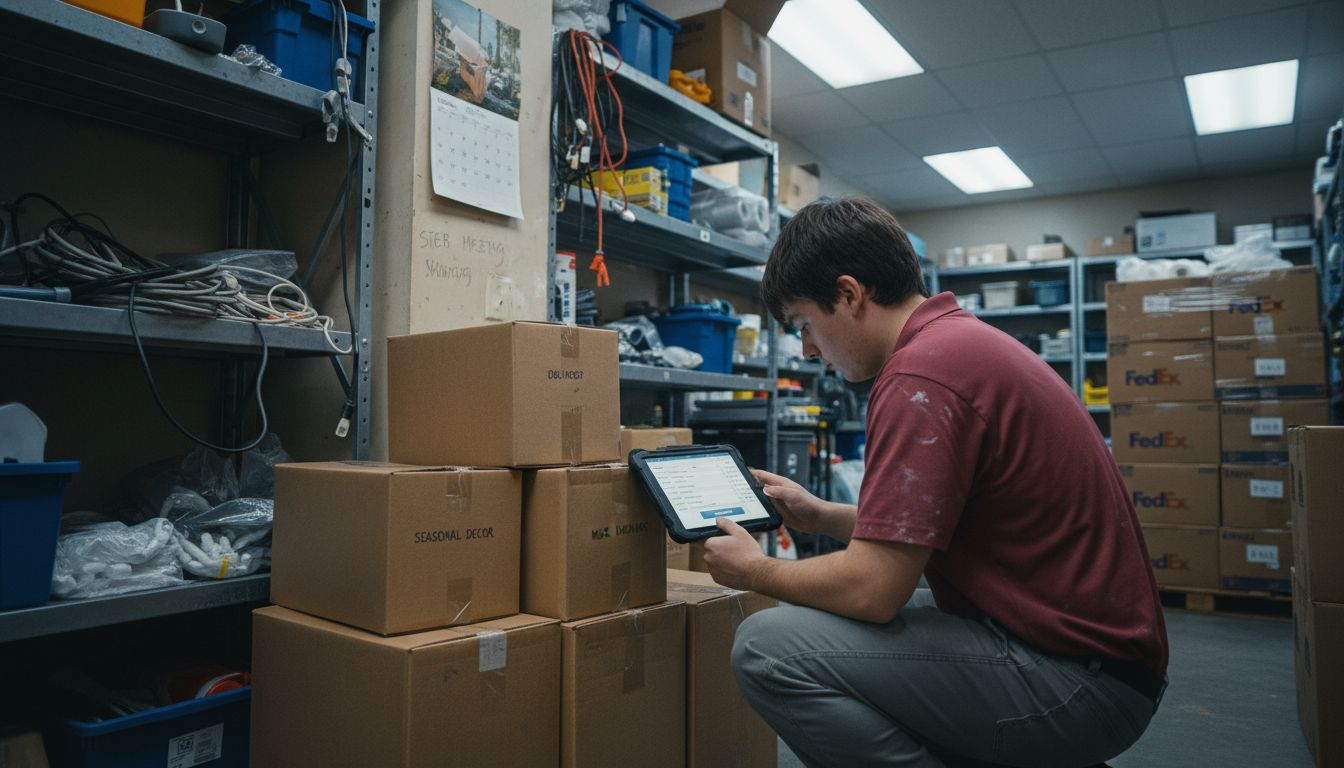
Here’s a comparison of common hybrid retail channel structures and their typical business outcomes:
| Channel Structure | Main Integration Focus | Typical Benefits |
|---|---|---|
| Showrooming | In-store browsing, online buy | Increases cross-channel conversion rates |
| Webrooming | Online research, store buy | Drives store visits and immediate sales |
| Click and Collect | Online order, in-store pickup | Reduces delivery costs, boosts convenience |
| Distributed Order Mgmt | Cross-channel fulfillment | Optimizes inventory, faster delivery |
Pro Retail Channel Strategy Tip: Analyze your current sales channels and identify one complementary channel structure you can integrate to expand your reach and improve customer convenience, such as implementing a click-and-collect system or enabling in-store returns for online purchases.
Hybrid retail strategies offer small and medium-sized businesses unprecedented opportunities to transform their sales approaches, but these opportunities come with complex operational considerations. Omnichannel integration strategies reveal both significant advantages and potential obstacles for retailers, demanding a nuanced approach to implementation that balances technological investment with strategic planning.
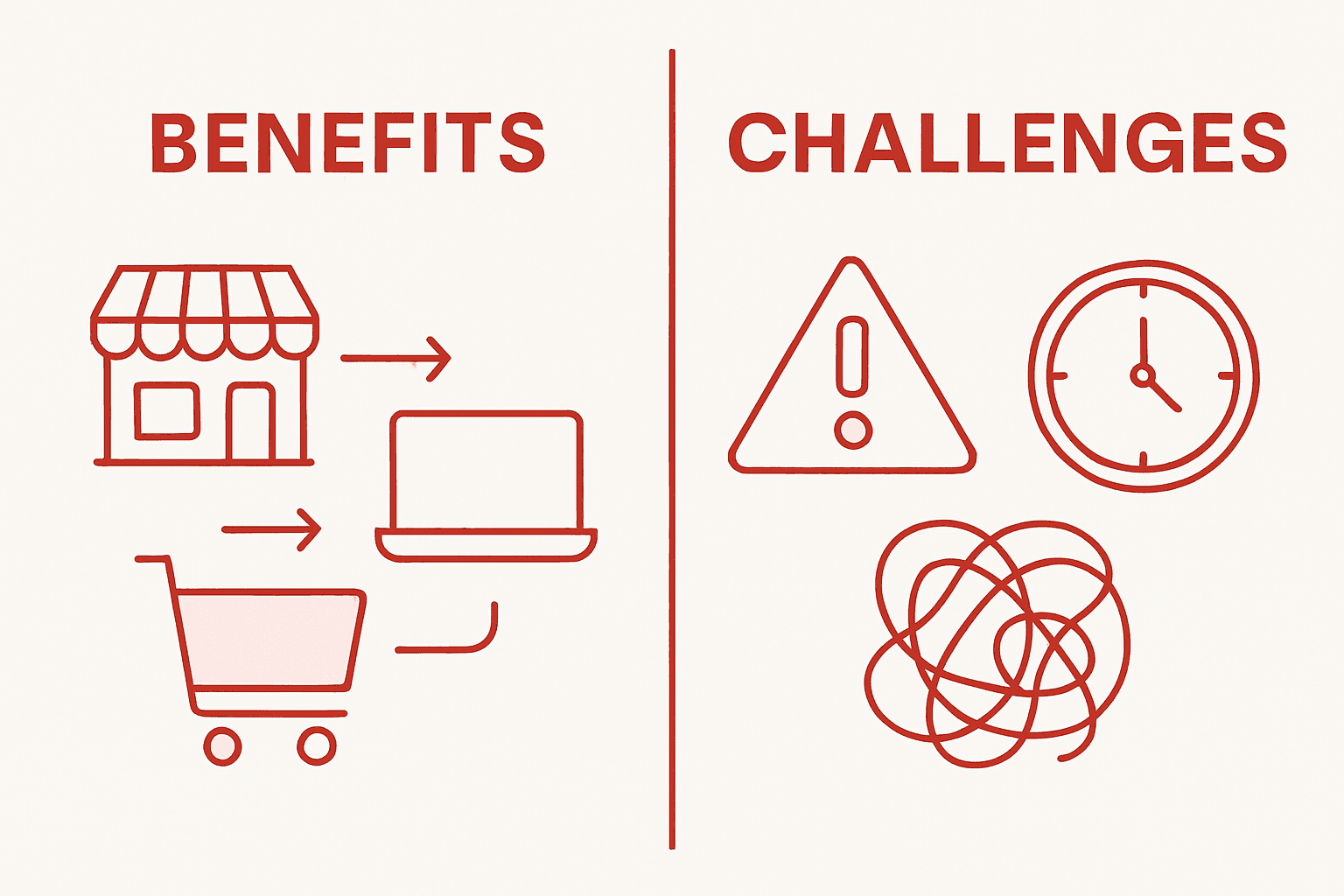
The core benefits of hybrid retail models include enhanced customer experience, expanded market reach, and increased sales potential. Retailers can now provide customers with unprecedented flexibility, allowing them to interact with brands through multiple touchpoints. These benefits manifest in several key ways:
However, these benefits are counterbalanced by significant challenges that require careful strategic navigation. Campus store models demonstrate that implementing hybrid retail approaches demands substantial technological and operational investments, including sophisticated inventory management systems, staff training programs, and integrated digital platforms. Retailers must develop robust technological infrastructures that can support complex, interconnected sales channels while maintaining consistent customer experiences.
Pro Retail Adaptation Tip: Conduct a comprehensive audit of your current sales channels, identifying one technological integration point that can immediately improve customer experience and operational efficiency, such as implementing a unified inventory management system or creating a seamless online-to-offline return process.
Successful hybrid retail strategies demand sophisticated integration of online, offline, and marketplace sales channels, transforming traditional retail approaches into dynamic, interconnected systems. Omnichannel integration strategies reveal critical approaches for seamlessly connecting diverse sales platforms, enabling businesses to create fluid customer experiences that transcend traditional retail boundaries.
The integration process involves several key strategic components that synchronize different sales channels:
Campus store models demonstrate innovative approaches to blending physical and digital retail environments, highlighting the importance of technological infrastructure and strategic planning. Retailers must invest in robust technological solutions that enable seamless communication between online marketplaces, physical stores, and direct-to-consumer platforms. This integration requires advanced software systems, sophisticated inventory tracking, and comprehensive customer relationship management tools that can handle complex, multichannel interactions.
The following table summarizes the major operational considerations for successful hybrid retail integration:
| Consideration | What It Involves | Impact on Business |
|---|---|---|
| Unified Inventory | Real-time stock tracking across channels | Reduces stockouts, speeds sales |
| Customer Data Sync | Centralizing insights from all touchpoints | Enables personalized experiences |
| Integrated Technology | Linking POS, online, and backend systems | Minimizes process friction |
| Staff Training | Preparing team for multichannel operations | Ensures consistent service |
Pro Channel Integration Tip: Start by mapping your current sales channels, identifying one critical integration point where technology can create a more streamlined customer experience, such as implementing a unified customer database that tracks interactions across online marketplaces, physical stores, and direct sales platforms.
Hybrid retail strategies present complex challenges that can derail even the most well-intentioned implementation efforts. Omnichannel integration strategies reveal critical vulnerabilities in retail systems, highlighting the sophisticated approach required to successfully navigate multichannel sales environments.
The most prevalent pitfalls in hybrid retail implementation include:
Campus store models demonstrate the importance of comprehensive planning and technological infrastructure, revealing that successful hybrid retail implementation requires more than just technological solutions. Retailers must develop holistic strategies that address operational complexities, including staff training, consistent policy development, and robust technological integration. The most critical aspect involves creating a unified approach that treats all sales channels as interconnected components of a single, comprehensive retail ecosystem.
Pro Problem Prevention Tip: Conduct a comprehensive audit of your current sales channels, identifying potential integration gaps and developing a systematic approach to resolving technological and operational inconsistencies before full-scale implementation.
Struggling with integrating online, offline, and marketplace sales channels to create a seamless customer experience? This article dives into the real challenges SMBs face such as inventory synchronization, inconsistent pricing, and fragmented customer data. If your goal is to build a unified commerce system that boosts flexibility and customer satisfaction then understanding hybrid retail models like click-and-collect or showrooming is vital. These concepts unlock new sales opportunities but require expert strategic guidance and technology support.
Many SMBs hit roadblocks when trying to implement these advanced retail strategies alone. At Reddog Group, we specialize in helping you overcome these pain points through tailored digital and business consulting services. From marketplace management and Amazon FBA to omnichannel integration and direct-to-consumer sales, our proven approach manages thousands of SKUs and drives significant revenue growth. We understand how to bring together your online and physical sales channels for smooth inventory management, synchronized pricing, and personalized customer journeys.
Ready to transform your retail strategy and outpace competitors by mastering hybrid sales channels? Explore our Digital & Business Consulting Services by Reddog Consulting to get expert support designed for SMB success.
Take the first step today by visiting Reddog Group and discover how our professional solutions can help you create a resilient and efficient hybrid retail operation that increases sales and customer loyalty. Don t let channel complexity hold back your growth — get expert help that makes integration simple and results-driven.
Hybrid retail is a sales model that combines digital and physical sales channels, allowing businesses to provide flexible purchasing options and create a unified shopping experience for customers.
Small and medium-sized businesses can begin implementing hybrid retail by identifying one or two digital integration points, such as online reservations for in-store products or a unified customer loyalty program that works across all platforms.
Challenges of hybrid retail include inconsistent customer experiences, inventory synchronization failures, technology integration issues, data fragmentation, and potential pricing discrepancies between online and offline sales channels.
Unified inventory management allows for real-time tracking of stock across multiple sales channels, which reduces stockouts, enhances customer satisfaction, and optimizes order fulfillment, ultimately improving overall business efficiency.
Leave a comment: