
Published: March 2020 | Last Updated:December 2025
© Copyright 2026, Reddog Consulting Group.

More than 60 percent of American retailers are turning to automation to solve age-old business challenges. Digital innovation matters now more than ever as customers demand faster service and seamless experiences both online and in stores. By harnessing advanced technologies, American businesses can reduce errors, improve inventory management, and deliver precisely what shoppers want.
| Point | Details |
|---|---|
| Retail Automation Enhances Efficiency | Automation technologies streamline operations, reduce human errors, and optimize resources, significantly improving productivity in retail environments. |
| Omnichannel Integration is Essential | Seamlessly connecting multiple sales channels through automation creates a consistent and responsive customer experience, enhancing engagement and satisfaction. |
| Advanced Technologies Drive Transformation | Implementing AI and robotic systems allows retailers to leverage predictive analytics and intelligent customer interactions, resulting in personalized shopping experiences. |
| Strategic Planning is Crucial | Careful implementation and training are necessary to avoid common pitfalls like technological incompatibility and inadequate staff readiness in retail automation projects. |
Automation in retail represents a strategic technological integration designed to streamline operations, enhance efficiency, and transform traditional business processes. At its core, retail automation leverages advanced technologies to replace manual tasks with intelligent, data-driven systems that minimize human intervention and maximize operational performance.
Modern retail automation encompasses a wide range of technological solutions, including intelligent systems that transform consumer engagement and operational processes. These technologies typically include inventory management systems, self-checkout platforms, AI-powered customer service tools, robotic process automation, and predictive analytics platforms. The primary goal is to reduce human error, accelerate transaction speeds, and create more personalized shopping experiences.
Retail environments are increasingly adopting automation technologies across multiple operational domains. Key areas of implementation include:
By integrating sophisticated technologies that enhance efficiency, speed, and accuracy, retailers can dramatically transform their operational landscapes. The strategic implementation of automation allows businesses to redirect human resources toward more complex, strategic initiatives while maintaining consistent performance and customer satisfaction.
Artificial Intelligence and robotic systems represent the cutting-edge technologies fundamentally transforming retail automation strategies. These advanced technological solutions are reshaping how businesses approach operational efficiency, customer engagement, and predictive management across multiple retail domains.
Advanced AI implementations are increasingly enhancing customer experience through intelligent automation and personalization capabilities. The technology enables retailers to create highly personalized shopping experiences by analyzing customer behavior, predicting preferences, and delivering targeted recommendations in real time. AI-powered systems can process massive datasets instantly, allowing for dynamic pricing, intelligent inventory management, and sophisticated customer interaction protocols.
Key technological components driving retail automation include:
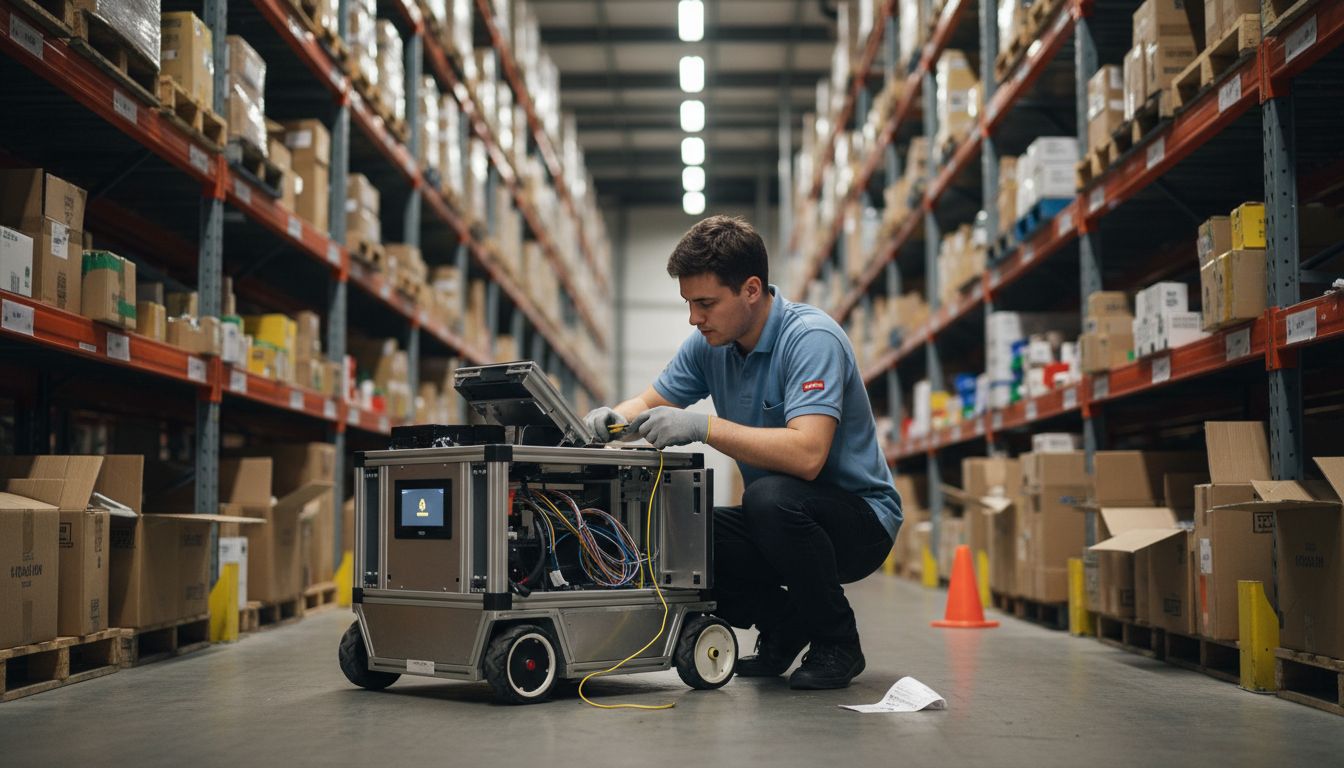
Autonomous robotic systems are emerging as game-changing technologies for complex retail operations, particularly in areas like shelf stocking and warehouse management. These advanced systems combine sophisticated hardware with scalable algorithmic architectures, enabling unprecedented levels of operational precision and efficiency. By integrating intelligent automation across multiple touchpoints, retailers can significantly reduce operational costs, minimize human error, and create more responsive, data-driven business models.
Omnichannel integration represents a transformative approach where retailers seamlessly connect multiple sales channels, creating a unified and consistent customer experience across digital and physical platforms. Automation technologies are the critical enabler of this sophisticated strategy, breaking down traditional operational silos and allowing businesses to deliver synchronized interactions.
Emerging technologies are actively reshaping customer experiences by streamlining operations and supporting responsible retailing through comprehensive omnichannel integration. These advanced systems enable real-time data synchronization, allowing retailers to track customer interactions across websites, mobile apps, physical stores, and social media channels. The result is a holistic view of customer behavior that supports personalized marketing, targeted promotions, and seamless purchasing experiences.
Key automation technologies driving omnichannel integration include:
Retailers can enhance customer experience by implementing technologies that reduce friction and improve the overall journey, creating a more intuitive and responsive shopping environment. By leveraging automation, businesses can provide customers with flexible options like buy online, pick up in-store, mobile app ordering, and seamless returns across multiple touchpoints. This integrated approach not only improves customer satisfaction but also generates valuable insights for continuous business optimization.
Retail automation represents a transformative strategy that delivers substantial advantages across operational, financial, and customer experience dimensions. By integrating intelligent technologies, businesses can unlock unprecedented opportunities for growth, efficiency, and competitive differentiation in an increasingly complex marketplace.
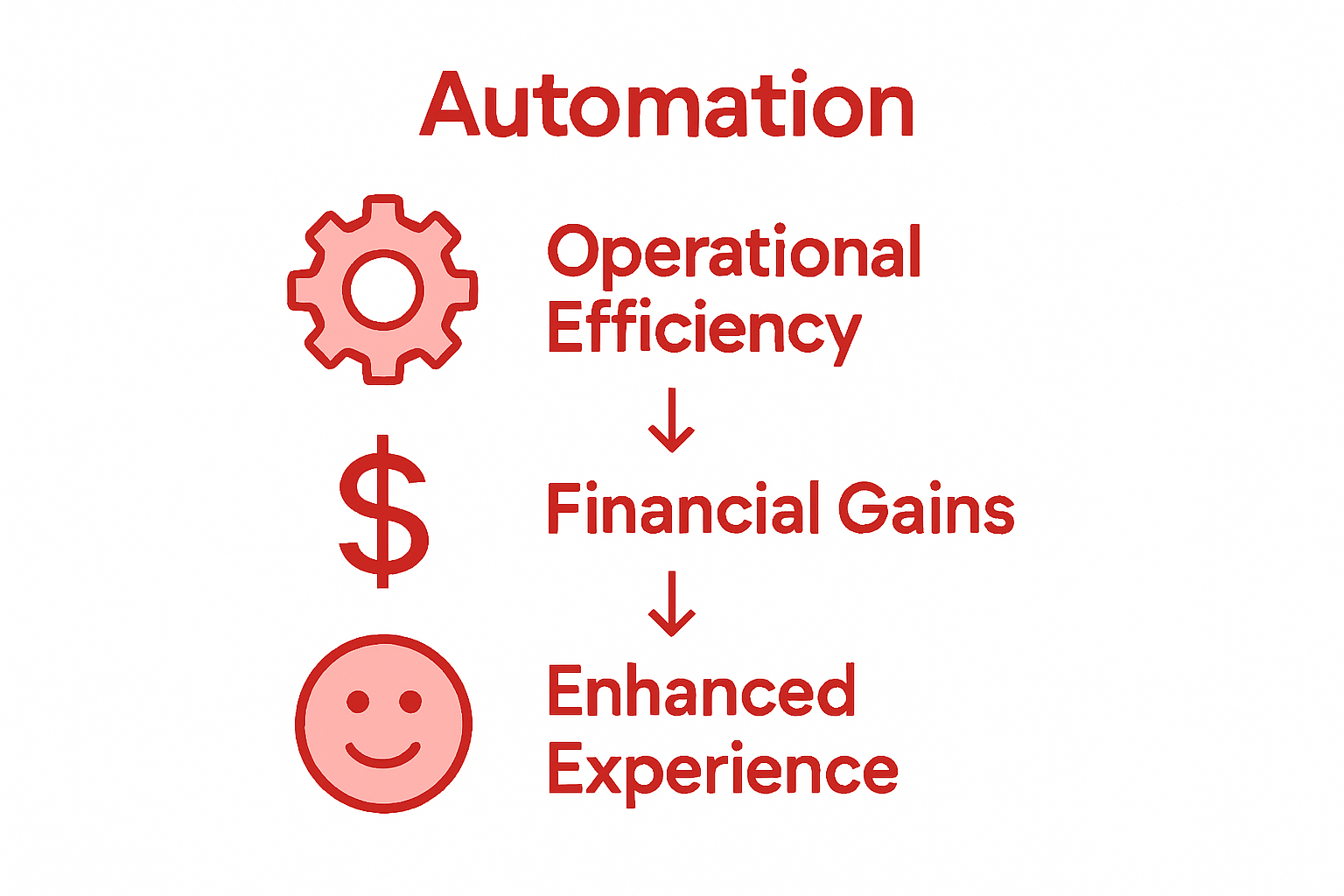
Advanced automation in retail warehousing significantly enhances efficiency and accuracy in inventory management and order fulfillment, generating multiple strategic benefits. These technological solutions enable retailers to dramatically reduce operational costs, minimize human error, and accelerate processing times. The precision of automated systems allows for more accurate stock tracking, faster order processing, and reduced labor expenses, ultimately improving overall organizational productivity.
Key benefits of retail automation include:
Robotic automation technologies are revolutionizing order fulfillment processes, enabling retailers to create more responsive and efficient operational models. By strategically implementing intelligent automation, brands can transform traditional limitations into competitive advantages, delivering enhanced customer experiences while simultaneously improving internal efficiency and reducing operational complexities.
Retail automation implementation is complex and requires strategic planning to prevent potential operational disruptions and technological challenges. While transformative technologies offer significant advantages, businesses must navigate potential obstacles with careful consideration and proactive management strategies.
Advanced technological implementations in smart retail environments face significant challenges related to device heterogeneity and security concerns, which can compromise overall system effectiveness. These challenges often emerge from insufficient integration planning, inadequate staff training, and complex technological ecosystems that lack standardized communication protocols. Retailers must develop comprehensive implementation strategies that address potential technical barriers and ensure smooth technological transitions.
Common pitfalls in retail automation include:
Successful automation requires careful analysis of its impact on purchasing processes and consumer satisfaction, emphasizing the critical need for strategic, human-centric technological implementation. By maintaining a balanced approach that prioritizes both technological efficiency and customer experience, retailers can effectively leverage automation without sacrificing the nuanced interactions that define exceptional service.
The article highlights the challenge retailers face when integrating automation technologies such as AI, robotic process automation, and omnichannel systems to streamline operations and enhance customer experiences. Many businesses struggle with technological incompatibility, inadequate training, and balancing automation with personalized service. Your goal is to harness automation to increase efficiency, reduce errors, and create seamless omnichannel customer journeys without compromising the human touch.
Reddog Group specializes in solving these critical pain points through tailored omnichannel retailing and brand growth strategies. With extensive experience managing thousands of SKUs across multiple platforms, we help small and medium-sized businesses optimize inventory management, launch effective marketing campaigns, and integrate online and offline sales channels effectively. By leveraging our strategic consulting and marketplace expertise, your brand can embrace automation to accelerate growth and boost customer satisfaction.
Looking to transform your retail environment while avoiding common pitfalls? Explore how our consultative approach can deliver measurable results. Visit Reddog Group to learn more about our omnichannel mastery and eCommerce solutions designed to drive sustainable growth.
Take your first step toward smarter automation and omnichannel success today.
Discover focused strategies paired with experienced execution to ensure your automation journey leads to lasting competitive advantage.
Ready to elevate your retail business?
Explore Reddog Group and start transforming your growth today.
Automation in retail streamlines operations by integrating advanced technologies to replace manual tasks, enhancing efficiency, and transforming traditional business processes.
Automation enhances customer experience by leveraging AI and data-driven solutions to provide personalized shopping experiences, faster transaction speeds, and more effective customer service.
Common technologies include inventory management systems, self-checkout platforms, AI chatbots, robotic process automation, and predictive analytics platforms that optimize various retail operations.
Key benefits include cost reduction, increased precision in inventory management, accelerated order processing, enhanced scalability for business growth, and improved customer satisfaction due to quicker and more consistent service.
Leave a comment: